Rwanda Safari SUV: Which 4x4 for Which National Park
Volcanoes, Akagera and Nyungwe each punish a different weakness in a vehicle. A park by park guide to choosing the right safari SUV, and where a pop up roof actually matters.
People ask which SUV is best for a Rwandan safari as though there is one answer. There is not, because the three national parks ask completely different things of a vehicle. Volcanoes tests climbing and traction. Akagera tests clearance and durability over bush tracks. Nyungwe tests brakes and stamina on long mountain descents. Here is how to match the car to the park.
Volcanoes National Park: the climb
The challenge: the highway to Musanze is superb, then the last stretch to the trailheads turns to steep volcanic dirt. In the dry months it is firm and rutted. In the rains it is slick clay on a gradient, and this is where compact SUVs get stuck while Land Cruisers drive past them.
The vehicle: a Land Cruiser Prado at USD 75 per day is the right call for most parties. A RAV4 at USD 45 will do it comfortably in the dry season and is genuinely enough for two people on a dry weekend. In March to May or October to November, take the Prado or the full Land Cruiser.
Note: the trek itself is on foot with rangers. The vehicle only has to reach the trailhead, but it has to reach it at 6am on the morning your permit is valid, which is why reliability matters more here than comfort.
Akagera National Park: the bush tracks
The challenge: once you are through the gate the surface changes entirely. Akagera has genuine savannah tracks, rocky sections, river crossings on the northern loops and grass high enough to hide what is under it. This is the only park in Rwanda where the driving itself is the safari.
The vehicle: a Toyota Land Cruiser at USD 110 per day. Ground clearance, low range four wheel drive and durability are all doing real work here, and a compact SUV is out of its depth on the northern circuits.
Where the pop up roof earns its money: the Toyota Safari at USD 200 per day including a driver has a roof hatch that lifts so you can stand and photograph over the grass line. If wildlife photography is a reason you came, this is the one vehicle in the fleet that is genuinely purpose built rather than adapted, and Akagera is the only place in Rwanda you need it.
Nyungwe Forest: the long descents
The challenge: the roads are sealed but relentlessly steep and winding, often wet from forest mist, and long enough that brake fade is a real consideration for anyone who rides the pedal instead of using engine braking.
The vehicle: a Prado or a Land Cruiser. Weight and stability matter more than clearance here, and an automatic with a low gear you can hold is worth a lot on a forty minute descent.
Note: chimpanzee tracking starts before dawn, so you will be driving forest roads in the dark at the start of the day. Take the vehicle with the better lights and the better brakes.
Lake Kivu and the Congo Nile road
Not a park, but the drive most likely to catch out an under specified vehicle. The road from Rubavu to Karongi is largely unpaved, three hours of switchbacks above the lake with sheer drops and no barriers. A Prado handles it well. A RAV4 manages it in the dry. Nobody should do it after dark.
The safari SUV shortlist
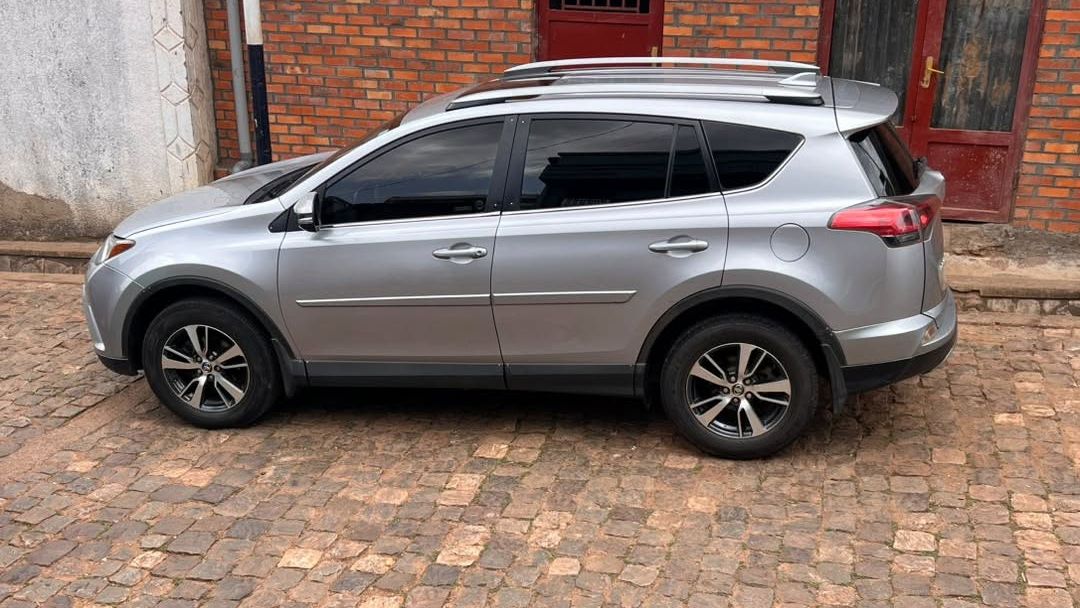
- Toyota RAV4, USD 45 per day, 5 seats. The budget option. Fine for Volcanoes and tarmac routes in the dry season. Not the vehicle for Akagera tracks.
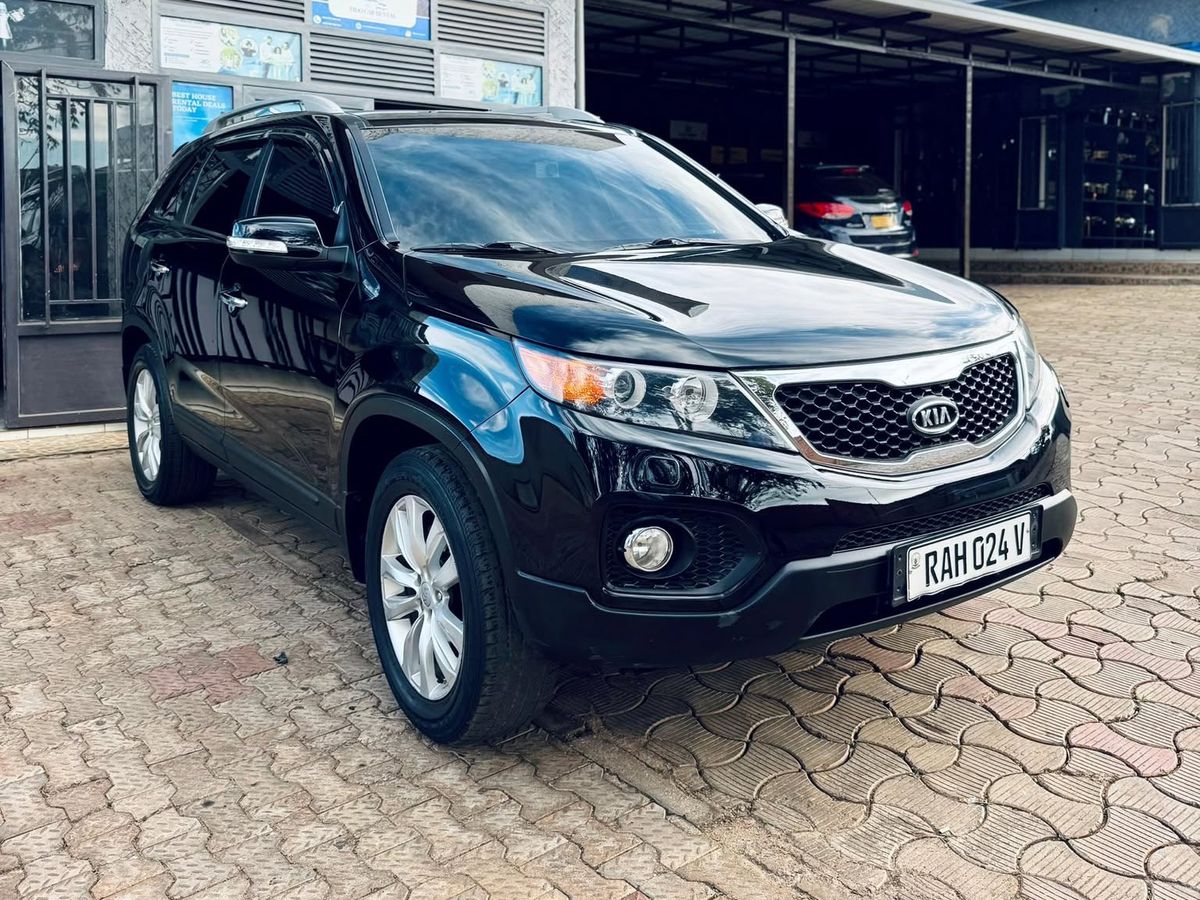
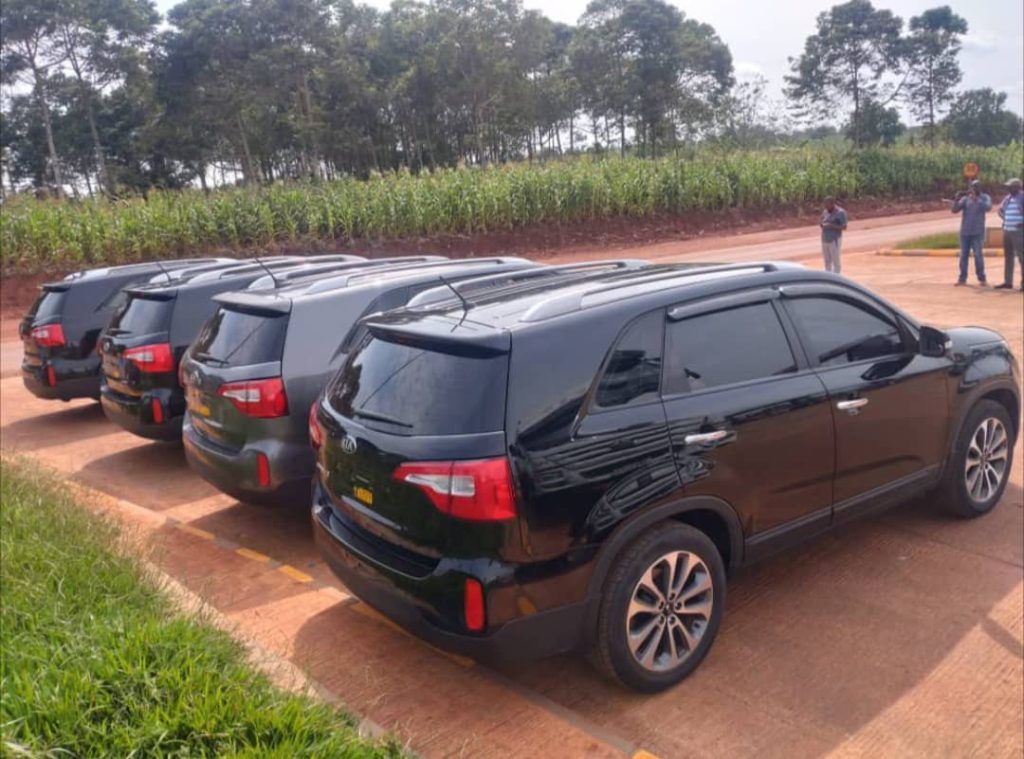
- Kia Sorento, USD 50 per day, 7 seats. Extra seats and a softer ride for five dollars more. Same limits as the RAV4 off tarmac.
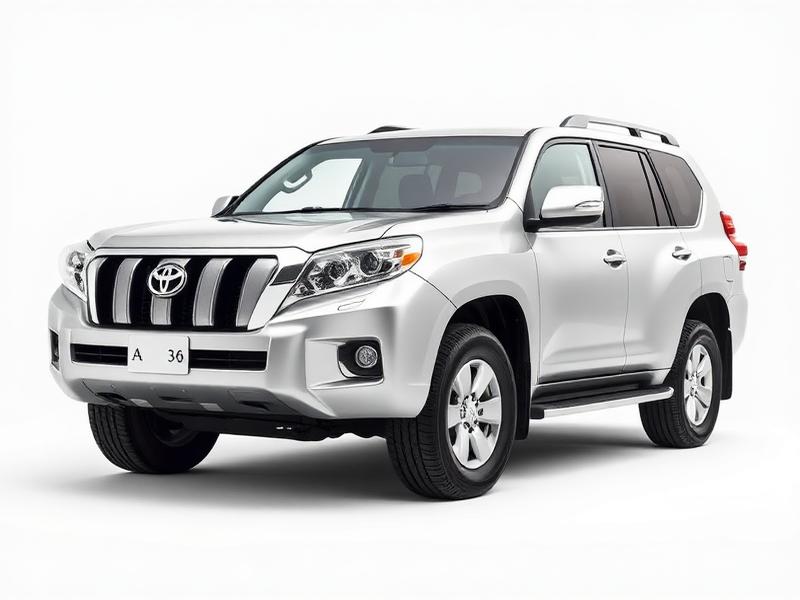
- Land Cruiser Prado, USD 75 per day, 7 seats. The all round safari answer: comfortable on transfers, capable on park access roads, cheaper to fuel than a full Land Cruiser.
- Toyota Land Cruiser, USD 110 per day, 8 seats. Low range four wheel drive and the durability the whole region runs on. The right vehicle for Akagera and for wet season everything.
- Toyota Safari with pop up roof, USD 200 per day with driver, 9 seats. Purpose built game viewing. Worth it in Akagera, unnecessary elsewhere.
What actually goes wrong, and how to avoid it
- Underestimating the rains. The same access road is a different road in April. If your trip falls in a wet month, upgrade one class.
- Ignoring the spare. Check the spare wheel, jack and brace before you leave. We do it with you at handover for exactly this reason.
- Running low on fuel. There is no fuel inside any of the parks. Fill in Musanze, Kayonza or Huye.
- Engaging four wheel drive too late. Select it before the slippery section, not after the wheels are already spinning.
- Booking the biggest vehicle by default. A Land Cruiser on a tarmac itinerary costs you twice, on the rate and at every fuel station.
More detail in our pop up roof safari vehicle guide and car rental to Akagera National Park.
Frequently asked questions
What is the best SUV for a Rwandan safari?
The Toyota Land Cruiser Prado for most itineraries, because it is comfortable on the long tarmac transfers and capable on park access roads. Step up to the full Land Cruiser for Akagera game drives or wet season travel.
Do I need a pop up roof vehicle in Rwanda?
Only for Akagera. It is the one park where standing to photograph over the grass line makes a real difference. Gorilla and chimpanzee trekking are on foot, so a roof hatch adds nothing.
Can I take a RAV4 to Akagera?
You can reach the gate and drive the southern loops in dry conditions, but the northern circuits and any wet weather are beyond it. For a serious Akagera programme, take a Land Cruiser.
Which vehicle do I need for gorilla trekking?
A 4x4 with good ground clearance. A Prado is ideal, a Land Cruiser is the safest choice in the rains, and a RAV4 is adequate for the same route in dry conditions.
Is a bigger 4x4 always better in Rwanda?
No. A full size Land Cruiser is wider on Kigali streets and considerably thirstier over a two week circuit. Choose it because the itinerary needs it, not by default.
Tell us which parks are on your itinerary and which month you are travelling, and we will tell you the smallest vehicle that will do the job properly. Call or WhatsApp +250 788 504 614.