Rwanda vs Uganda Gorilla Trekking: How to Choose
Permit price, travel time, terrain and trip length all differ. A straight comparison of gorilla trekking in Rwanda and Uganda so you can pick the right one for your budget and fitness.
Almost everyone planning a mountain gorilla trip runs into the same fork in the road. Rwanda and Uganda both offer it, the animals are the same species, and the price difference is large enough to matter. Here is a straight comparison, including the factors that turn out to matter more than permit price once you are actually on the ground.
The headline difference: permit cost
At the time of writing, a Rwanda gorilla permit is priced at 1,500 US dollars per person for one trek, and a Uganda permit at 800 US dollars for foreign non residents. Both are set by the respective national bodies, the Rwanda Development Board and the Uganda Wildlife Authority, and both have been revised upwards over the years. Confirm the current figure with the official body or your operator before you budget, because these prices do change.
On permit price alone, Uganda wins clearly. But permit price is not trip price.
The difference that surprises people: travel time
This is where Rwanda pulls back much of the gap. Kigali International Airport to the trekking base at Musanze is roughly two to two and a half hours on good tarmac. You can land in the afternoon, sleep near the park, trek the next morning, and fly home the day after. A Rwanda gorilla trip can genuinely be done in three days.
Uganda's Bwindi Impenetrable Forest is a long way from Entebbe. Driving takes the better part of a day, commonly eight to ten hours, and the final stretch is rough. Most Uganda itineraries either build in two full travel days or add a domestic flight to an airstrip near the park, which adds cost back onto that cheaper permit. Budget a minimum of five days, and more realistically a week.
If your holiday allowance is tight, or you are adding this to a business trip, that difference is decisive. Our 3 day Rwanda gorilla safari itinerary shows exactly how the short version works.
Terrain and difficulty
Volcanoes National Park in Rwanda sits high, generally between 2,500 and 3,000 metres at the trailheads, and you climb through farmland onto the volcano slopes. The altitude is the hard part rather than the vegetation, and the trails, while steep and often muddy, are relatively open.
Bwindi is lower but denser. The name is not marketing: the forest is thick, and guides frequently cut a path through vegetation. Treks can be longer and more tangled underfoot, though less breathless.
Neither is easy. Both are achievable for a reasonably fit person who takes it slowly, and porters are available at both, which makes a much larger difference than most people expect. Hire one.
Scenery and the wider trip
Rwanda's volcano landscape is dramatic and photogenic, a chain of cones rising out of terraced green hillsides. Uganda's forest is more enclosed and feels wilder, and Uganda offers a broader wildlife circuit overall, including tree climbing lions in Ishasha and a strong chimpanzee experience in Kibale.
Rwanda counters with compactness. In one week of driving you can trek gorillas, track chimpanzees in Nyungwe, look for the big five in Akagera and spend a night on Lake Kivu, all on paved roads. See our 7 day Rwanda self drive itinerary.
Comfort and infrastructure
Rwanda's roads, mobile coverage and general infrastructure are noticeably more developed. Lodging near Volcanoes ranges from simple guesthouses to some of the most expensive lodges on the continent. Uganda is less polished across the board, which some travellers actively prefer and others find wearing after a week of long transfers.
So which should you choose?
Choose Rwanda if your time is limited, if you want to self drive on good roads, if you are combining the trek with a short broader itinerary, or if comfort and ease matter to you. Choose Uganda if the permit saving is meaningful relative to your total budget, if you have ten days or more, and if you want a bigger and wilder wildlife circuit.
And there is a third option that many people overlook. Because the two countries border each other, you can fly into Kigali, drive a few hours to the Uganda border, and trek in Bwindi on the cheaper permit. That combination gets you Uganda's permit price with Rwanda's convenient airport. It needs cross border paperwork arranged in advance, which we handle routinely. See our self drive Rwanda to Uganda gorilla trekking guide and our 2 day Bwindi safari from Kigali.
Frequently asked questions
Are the gorillas different in Rwanda and Uganda?
No. Both countries protect mountain gorillas, the same species, and the Virunga range straddles the border. Your experience depends on the terrain and the family you are assigned, not the country.
Which country has better odds of actually seeing gorillas?
Both are extremely high. Trackers locate the families each morning before visitors set out, and sightings are close to guaranteed in both countries. What varies is how far you walk to reach them.
Can I use one permit for two treks?
No. Each permit covers one trek with one family on one day. Many visitors buy two permits over two days, and a second day is often the best value addition to the trip.
Is the Rwanda permit ever discounted?
Rwanda has at times offered reduced rates in the low season months and for citizens and residents of East African countries. Ask your operator whether any current promotion applies to your dates.
Can I drive myself to the trailhead?
Yes in both countries, and it is common in Rwanda. You still trek with a ranger and a group of up to eight, but there is no requirement to buy a packaged tour to reach the park. A 4x4 is strongly recommended for the final approach roads.
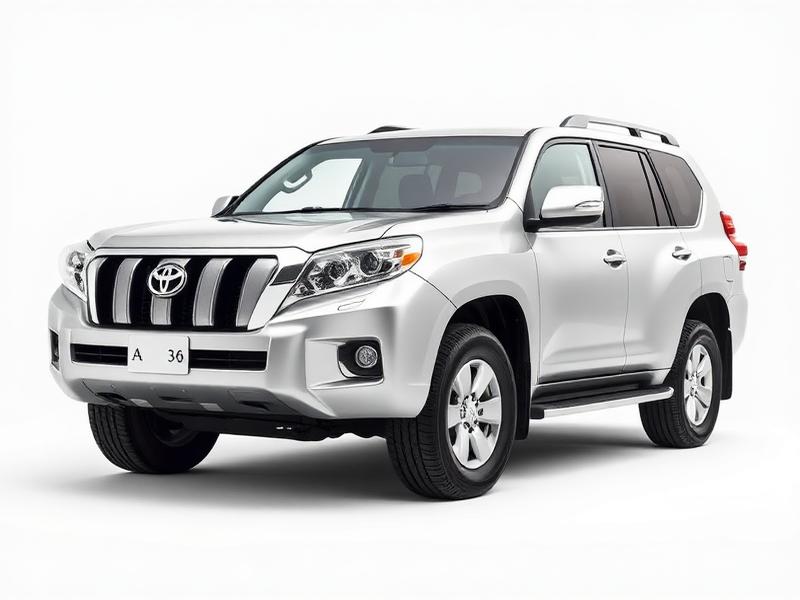
If you decide on the Rwanda side, or on the Kigali to Bwindi combination, we can have a Prado or Land Cruiser waiting when you land, with the cross border papers already prepared. Call or WhatsApp +250 788 504 614 and tell us your dates.