Is It Safe to Drive in Rwanda? An Honest Road Guide
Rwandan tarmac is among the best in East Africa and traffic drives on the right. The real hazards are motos, night driving and hill roads. What to actually expect behind the wheel.
Self driving is the single best way to see Rwanda, and it is also the part of the trip that visitors from the US, Canada and Europe worry about most. Having handed vehicles to a great many first time visitors, here is a straight account of what the roads are actually like and what genuinely deserves your caution.
The good news first
Rwanda drives on the right, exactly as North America and continental Europe do. For American, Canadian, German, French and Dutch visitors there is no side of the road to relearn. British and Irish drivers do have the switch to make, but Rwanda is a gentle place to make it because traffic is light outside Kigali.
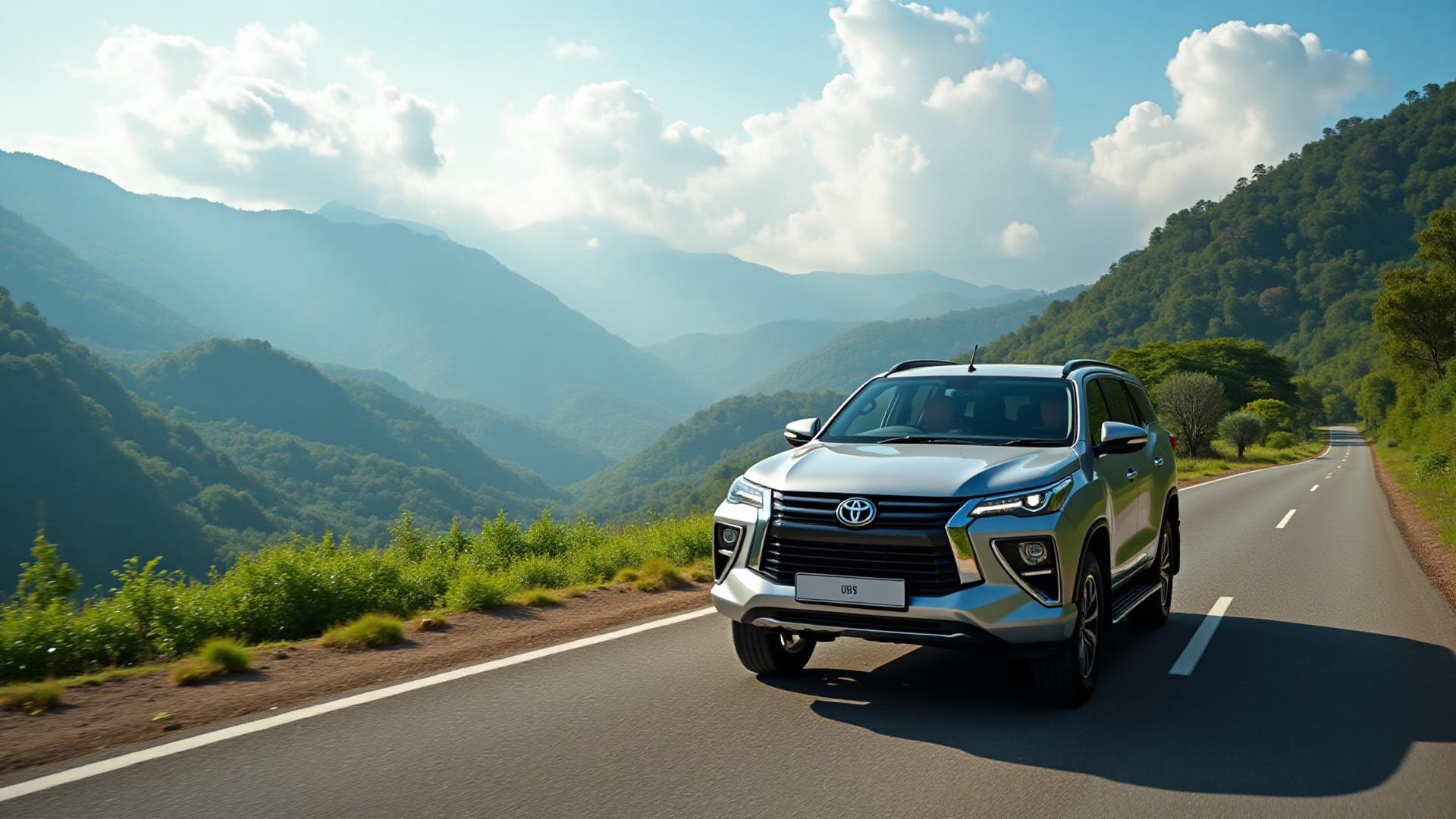
The main road network is genuinely good. Rwanda has invested heavily in tarmac, and the routes connecting Kigali to Musanze, Rubavu, Huye and Akagera are well surfaced and signposted. Visitors who have driven elsewhere in East Africa are usually surprised by the difference.
Distances are short, fuel stations are frequent on the main corridors, and mobile coverage is good almost everywhere, so navigation apps work.
The real hazards, in order
Motorcycle taxis
Motos are everywhere, especially in Kigali, and they are the thing that will most test your nerves. They filter, they appear alongside you at junctions, and they do not always behave as you would expect. The technique is simply to drive slowly and predictably, check mirrors constantly, and assume a moto is in your blind spot. Riders are used to reading cars and will generally work around you if you are steady.
Night driving
This is the one to genuinely avoid. Rural roads are unlit, pedestrians and cyclists share the shoulder, livestock wander, and some vehicles run without working lights. The hazard multiplies after dark in a way it does not at home. Plan your days to be off rural roads by dusk, which falls around 6pm year round given Rwanda's position near the equator.
Hills, bends and overtaking
Rwanda is called the land of a thousand hills for good reason. Roads climb, descend and curve constantly, and sight lines are short. Overtaking a slow truck on a blind bend is the classic way visitors get into trouble. Be patient, and accept an average speed of 50 to 60 kilometres per hour on rural routes even on perfect tarmac.
Pedestrians
Many Rwandans walk long distances along the roadside, often carrying loads, and there is frequently no pavement. Villages appear suddenly. Slow down through built up stretches even when the limit does not require it.
Rules and enforcement
Speed limits are typically 40 to 60 kilometres per hour in urban areas and up to 80 on open roads, with lower limits through villages. Enforcement is real: Rwanda uses speed cameras and roadside checks, and fines are issued. Seatbelts are mandatory. Drink driving enforcement is strict and the tolerance is effectively zero.
Police checkpoints are common and completely routine. You will be waved down, asked for your licence and the vehicle papers, and sent on your way, usually within a minute. Officers are professional and generally speak English. Keep your documents accessible, be polite, and it is a non event. Rwanda has a strong reputation for low corruption and you should not expect to be asked for a bribe.
Two local quirks worth knowing
On the last Saturday of most months, a national community work morning called Umuganda runs from roughly 8am to 11am. Movement is restricted, many businesses are shut, and roads are quiet. It is not a problem if you know about it, and a genuine nuisance if you have a flight or a park briefing to reach. Plan around it.
Single use plastic bags are banned nationally, including in your vehicle. It rarely affects driving but it does affect how you pack.
Do you need a 4x4?
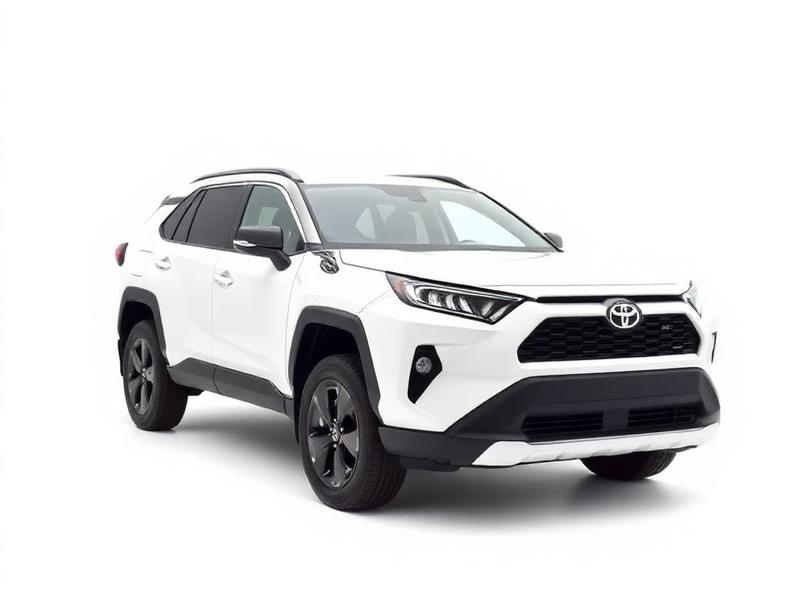
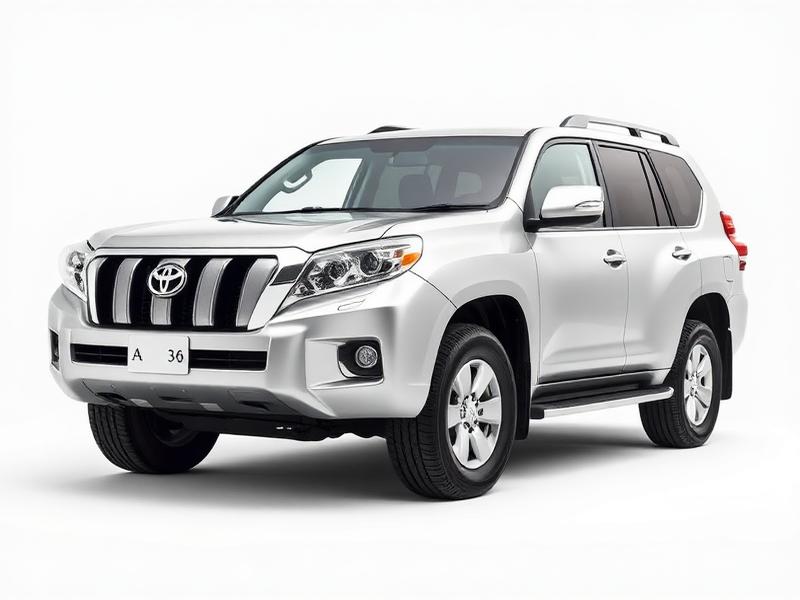
For Kigali and the main tarmac corridors, no. A RAV4 or similar handles it comfortably. For the approach roads to Volcanoes National Park, the tracks inside Akagera, the unpaved sections around Nyungwe and anything at all in the rainy seasons, a proper 4x4 with ground clearance stops being optional. Most visitors doing a full circuit are happiest in a Prado or Land Cruiser. Our driving on the right guide and the driving in Rwanda guide go deeper.
Licence and paperwork
Your national licence from the US, Canada, the UK or an EU country is accepted for a visitor stay. An International Driving Permit is not strictly required but is cheap and useful, particularly if you intend to cross into Uganda or Tanzania. Carry your passport, your licence and the vehicle documents we provide. See IDP requirements for Rwanda.
Frequently asked questions
Which side of the road does Rwanda drive on?
The right, the same as the United States, Canada and continental Europe. Steering wheels are on the left.
Is it safe for a tourist to drive in Rwanda?
Yes, for most people. The roads are well maintained, traffic is light outside Kigali and enforcement is orderly. The genuine risks are night driving on rural roads, motorcycle taxis in the city and blind overtaking on hill roads, and all three are avoidable.
Are the roads paved in Rwanda?
The main network connecting the cities and the national parks is paved and in good condition. Final approaches to parks, lakeside stretches and rural routes are often gravel or dirt, and become demanding after rain.
What happens at a police checkpoint?
You are asked for your driving licence and the vehicle papers, and usually released within a minute. It is entirely routine and nothing to be nervous about. Keep documents where you can reach them without unbuckling.
Can I drive from Rwanda into Uganda or Tanzania?
Yes, with cross border documentation arranged in advance for the vehicle. Tell us your plan when you book and we prepare the paperwork. See our cross border paperwork guide.
Is GPS reliable in Rwanda?
Yes. Mobile data coverage is good and mapping apps work well on the main network. Download offline maps for the park areas as a backup, and pick up a local SIM at the airport.
Every vehicle we hand over comes with a proper briefing on the roads, the checkpoints and your route, not just a set of keys. Call or WhatsApp +250 788 504 614.